You’re home.
So why does it feel like a crisis?
Coming home from the ICU is a hard-won victory. But if you’re struggling with brain fog, nightmares, or the feeling that you’re a "stranger in your own house," you aren't failing. You’re navigating the medical gap.
The ICU saves your body, but it often leaves your spirit in survival mode. Many survivors experience a specific set of emotional hurdles that are difficult to explain to those who weren't there:
The "waiting for the other shoe to drop" feeling:
A constant state of high alert or fear of re-hospitalization.
Identity loss: Feeling disconnected from your old hobbies, your work, and your family.
The survival fog: Frustration with a mind that feels slow and a body that feels foreign.
These aren't character flaws or "just being tired." These are recognized symptoms of Post-Intensive Care Syndrome (PICS).

Because you were in the trenches, too
While your loved one was in the ICU bed, you were in the waiting room. You are the "Scout"—the one now navigating the insurance calls, the medication schedules, and the emotional weight of a changing household.
PICS-family
It is medically recognized that caregivers suffer their own version of this trauma. Whether it’s caregiver burnout, unexplained anxiety, or the grief of losing the "old" version of your family dynamic, your experience is valid.
The sanctuary
PICS Health was built to support the Scout just as much as the Survivor. You don't have to bridge this gap alone.
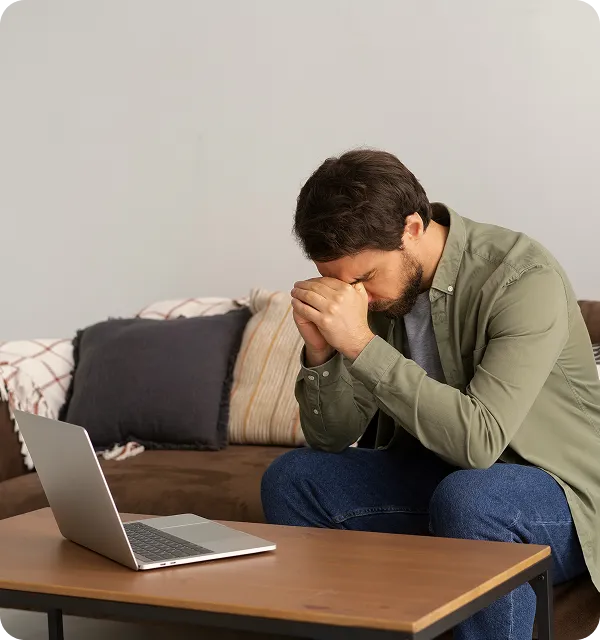
It is hard to find peace when your brain and body are still processing the trauma of critical illness. Michael Dinkels and the PICS Health team provide the clinical expertise to explain—and treat—the three pillars of this syndrome:
Cognitive aftershocks: Addressing ICU brain fog, memory gaps, and executive function loss.
Physical aftershocks: Managing ICUAW (ICU-Acquired Weakness), nerve pain (CIP), and muscle atrophy (CIM).
Emotional aftershocks: Tools for PTSD, survivor guilt, and the "nightmare" phase of recovery.